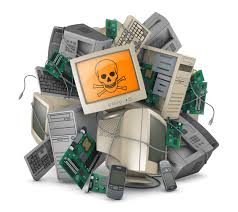
Recycling resources in the East Bay that are responsible and community-oriented. For analog TV’s, old computers and cell phones … and more.

Recycling resources in the East Bay that are responsible and community-oriented. For analog TV’s, old computers and cell phones … and more.
This on-line guide from the Stanford University Library and Nolo Books covers most of the important information on copyrights, fair use and permissions.
This Media Alliance report is a compilation of several events held in the state of California where grassroots groups and members of the community gathered to discuss the the Internet.
What public interest obligations, you say? But they do exist and recently the FCC has gone as far as to suggest that they may be a bit more stringently enforced. Here is the updated and revised manual explaining the obligations of broadcasters.
Continue reading Commercial Broadcaster Public Interest Obligations
The movement for affordable broadband access is growing. Media Alliance’s “Digital Inclusion Advocacy Toolkit: Bridging the Digital Divide by Winning Community Benefits in Municipal Broadband Projects” provides useful information for community members who want to advance digital inclusion in their neighborhoods. A resource directory and a comprehensive glossary of terms makes this a must-read for everyone.
The Oakland Digital Inclusion Summit was a vital event for community sharing, networking, access to information and a framework for moving forward. Click here for the summit reader: some of the best resources on community broadband implementation around.
We knew the day was coming when we’d watch TV on our computers. And here we are. Three terrific documentaries available free and online. Enjoy! Continue reading Better Than Anything On Tv
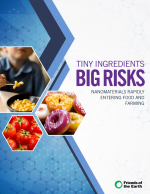
This report from Friends of the Earth documents a tenfold increase in unregulated, unlabeled “nanofood” products on the American market since 2008. The products containing unlabeled nano-ingredients range from Kraft American Singles to Hershey’s chocolate. They are made by major companies including Kraft, General Mills, Hershey, Nestle, Mars, Coca-Cola, Unilever, Smucker’s and Albertsons. But due to a lack of labeling and disclosure, a far greater number of food products with undisclosed nanomaterials are likely currently on the market. These nanomaterials differ significantly from larger particles of the same chemical composition, and new studies are adding to a growing body of scientific evidence indicating they may be more toxic to humans and the environment. Continue reading Friends of The Earth – Tiny Ingredients, Big Risks