Pew study highlights that some of the traditional income barriers that impact levels of political activity, including writing to politicians about issues of interest, citizen lobbying and appearing at public comment sessions, manifest less in online political activity which show less dropoff as income declines than offline activities do.
A very useful webinar from BEN (The Business Ethics Network of Corporate Ethics Intl) on legal issues with doing counterbrand anti-corporate organizing.
A publication on communication strategies with useful case studies. Free! From some of the best in the business in social justice communications: Praxis, Smartmeme etc…
“Families Unlocking Futures: Solutions to the Crisis in Juvenile Justice” introduces the perspective of families, the parents, and other relatives who are uniquely affected by the systems that can determine the future of their children. Routinely, families are dismissed as spectators, at best, while judges, prosecutors, probation officers, and public defenders determine the fate of young people who enter the juvenile justice system. This report from the Data Center spells out how the professionals who turn the wheels of juvenile systems can learn from the experiences and thoughts of families, and how they can include them as active participants and partners.
This report from the Applied Research Center is relevant to both social justice organizations as well as the general public. The findings can help social justice organizations better understand the attitudes and motivations of engaged Millennials.
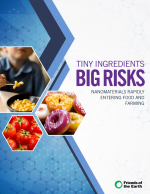
This report from Friends of the Earth documents a tenfold increase in unregulated, unlabeled “nanofood” products on the American market since 2008. The products containing unlabeled nano-ingredients range from Kraft American Singles to Hershey’s chocolate. They are made by major companies including Kraft, General Mills, Hershey, Nestle, Mars, Coca-Cola, Unilever, Smucker’s and Albertsons. But due to a lack of labeling and disclosure, a far greater number of food products with undisclosed nanomaterials are likely currently on the market. These nanomaterials differ significantly from larger particles of the same chemical composition, and new studies are adding to a growing body of scientific evidence indicating they may be more toxic to humans and the environment. Continue reading Friends of The Earth – Tiny Ingredients, Big Risks→
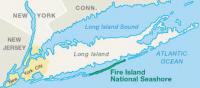
Update 8/19: The FCC rejected Verizon’s “fast track” request to not rebuild phone lines on Fire Island and forcibly transition residents to Voice-Link “wireless-only” service. Had the Commission not done so, Verizon’s request would have been automatically granted. Continue reading Verizon Abandons Fire Island: Not Yet Says The FCC→
Having a mother, father, brother or a sister in jail is an upsetting and scary experience. What makes it worse are sky-high special phone rates for calls from prisons that bust the family budget. That’s the reason California passed a law in 2007 phasing in reductions in the cost of prison phone calls. In state-run facilities, that is. If your mom, dad, son or daughter happens to be in a county-run juvenile facility, immigration detention center or county jail, then state law doesn’t apply. Continue reading County Allows Outrageous Charges for Inmate Phone Calls→