I didn’t grow up in California. Instead I grew up in the relatively staid brick-lined streets of the Northeast, where history looks like pilgrim hats.
I understood Blazing Saddles better than Stagecoach.
But life can take you in some unexpected directions. I grew up to become a privacy advocate on the West Coast. And when I started to lobby my local government about the ways law enforcement surveillance and high-tech gadgetry were colluding to erode civil rights, I ran into the legacy of the autonomous sheriff in the “frontier” states.
These simple letter templates can compel the Police and Sheriff Departments of a given city to provide you with documentation regarding every type of surveillance equipment in existence for a given City (Police) and saCounty (Sheriff).
It’s a roundabout way of determining what surveillance equipment is being used on the public in a given city, but since it’s all we have, at least the #ASDPSP project will make it so much easier for journalists and the public to get their hands on this information.
In this third installment of our series, Tracy will help us understand more about what we found in Sacramento, and how do approach local politicians to put pressure on them to do something about it, by implementing a “surveillance policy framework.”
Here’s are the first two interviews of this series:
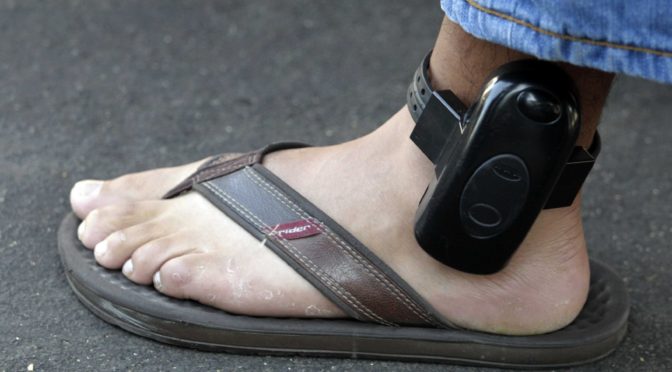
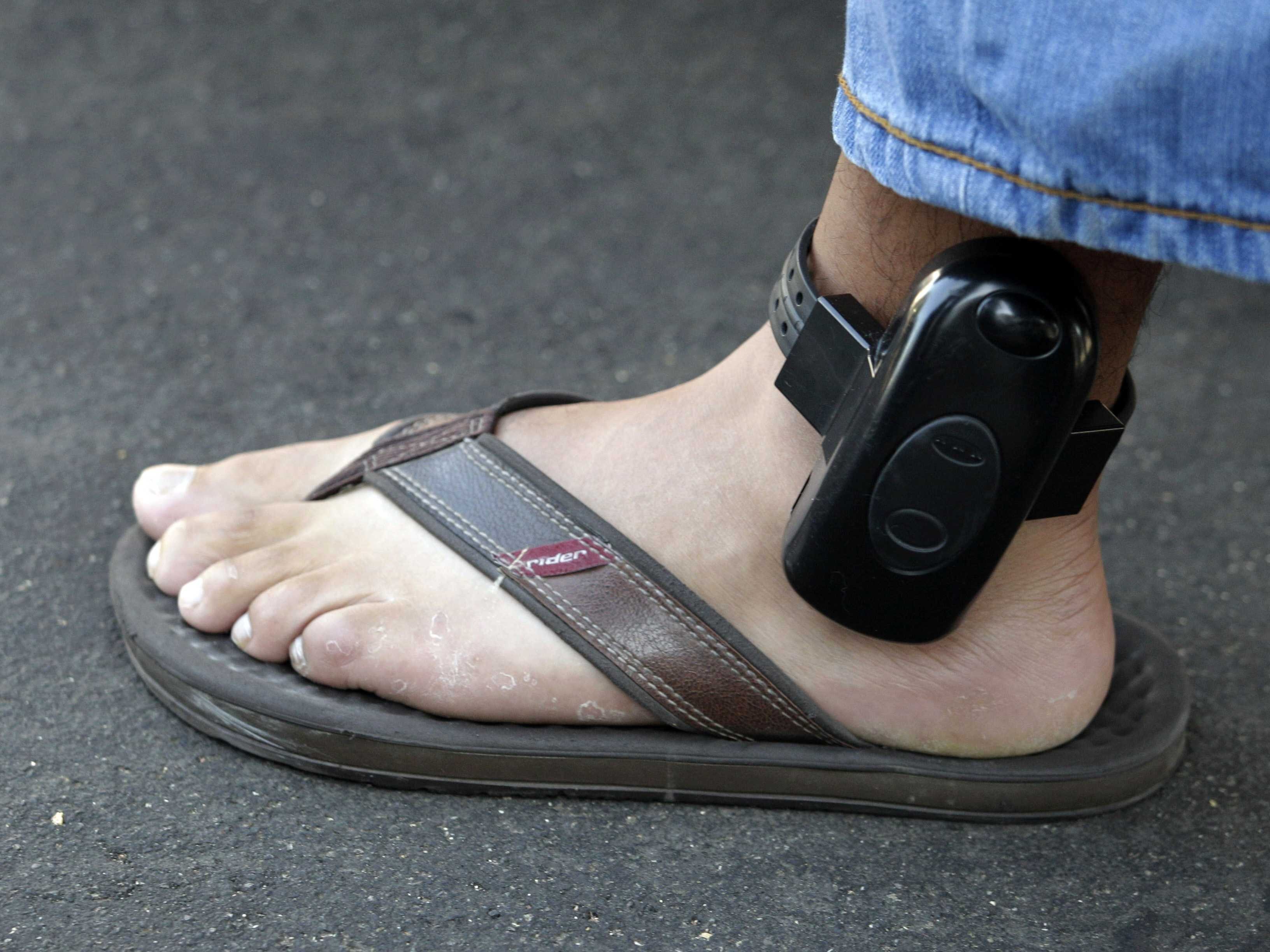
Rust Belt Radio features researcher James Kilgore and organizer Miyaisha Hayes (Center for Media Justice) talking about how mass incarceration is morphing into high-tech wall-less detention directed at black and brown people under the guise of replacing physical prisons with digital ones.
In a sign-on letter, 28 groups are calling on some of the world’s largest companies – including Facebook, Google and Amazon, as well as digital advertisers like Nestle, Walmart and JPMorgan Chase – to use Europe’s impending General Data Protection Regulation (GDPR) regime as a baseline standard worldwide for all of their services, including in the U.S.
35 civil rights organizations (including Media Alliance) joined a sign-on letter to Amazon CEO Jeff Bezos, also the owner of the Washington Post newspaper, to desist from marketing facial recognition technology to the government.
On May 15th, the City Council of Richmond, CA voted 6-1 to enact a Sanctuary City Contracting ordinance, sponsored by Councilmembers Jovanka Beckles and Ada Recinos.
The Sanctuary City ordinance (model legislation can be found here) was developed by the 19-member Deport ICE coalition which seeks to strengthen sanctuary protections in California cities.